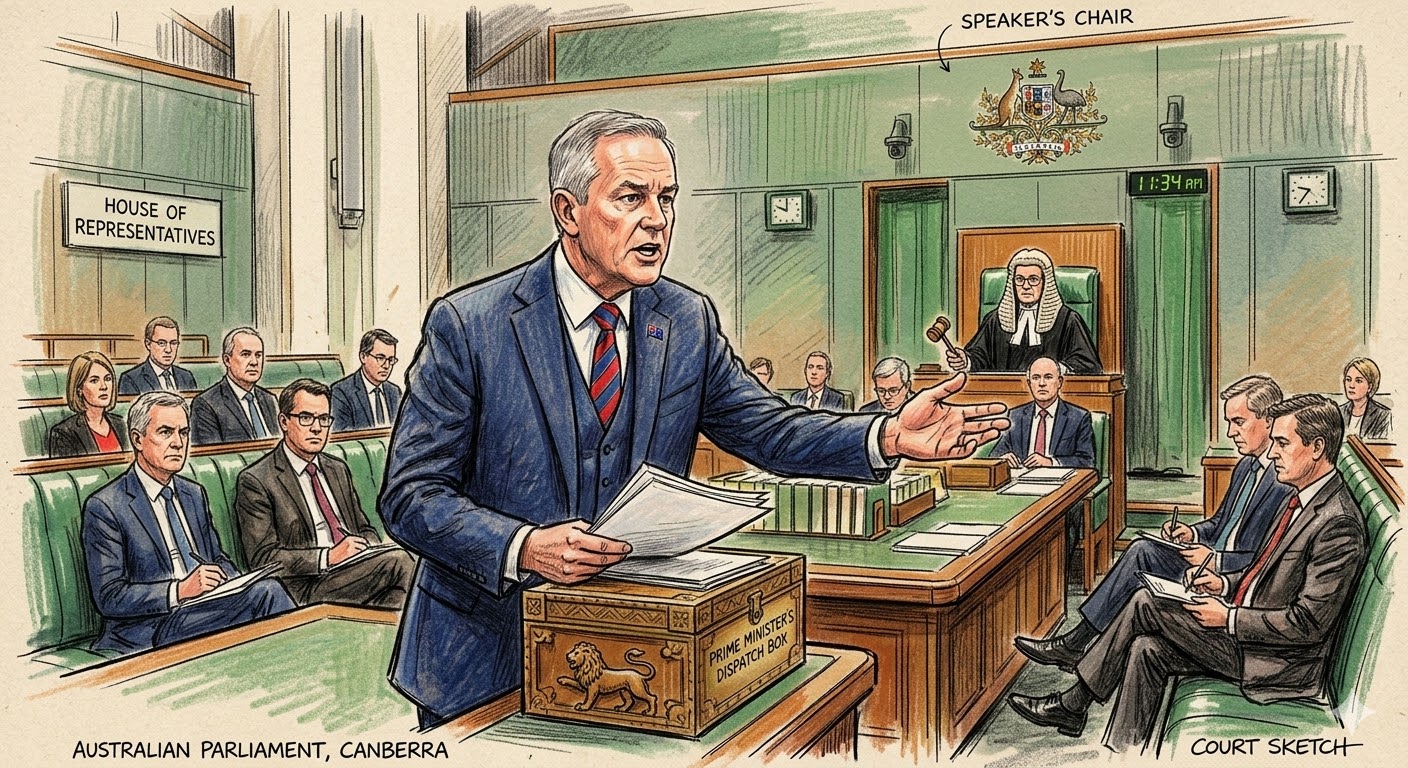
In Australia, the “Three Tiers of Government” is a system designed to divide power and responsibility between the national, regional, and local levels. This structure ensures that both national interests and community-specific needs are addressed efficiently.
How the Three Tiers Were Formed
The formation of the Australian government occurred in stages, evolving from separate British colonies into a unified nation:
- State Governments (The Original Colonies): Before 1901, Australia consisted of six independent British colonies: New South Wales, Victoria, Queensland, South Australia, Western Australia, and Tasmania. Each had its own parliament, laws, and head of state (the Governor). When they joined together, they became the six States.
- Federal Government (Federation): On January 1, 1901, the six colonies united through a process called Federation. They created the Australian Constitution, which established a new national (Federal) government to handle matters that affected the entire continent.
- Local Government (Delegated Power): Unlike the Federal and State levels, local councils are not mentioned in the Australian Constitution. They were created by State Parliaments in the late 19th century through “Local Government Acts.” This means the States “delegate” or hand down certain powers to councils to manage local community affairs.
Responsibilities of the Three Tiers
Each level has a distinct set of powers and duties, although they often collaborate on large-scale issues like health and the environment.
- Federal Government (The Whole Nation)
Based in Canberra, the Federal Government is led by the Prime Minister. It is responsible for national affairs and issues that cross state borders.
- Key Duties: Defence and national security, immigration, foreign affairs, trade, currency (money), postal services, and telecommunications.
- Funding: Primarily through income tax and company tax.
- State & Territory Governments (The Region)
Each of the six states and two territories has its own parliament. The leader of a State is called the Premier, while a Territory leader is called the Chief Minister.
- Key Duties: Public hospitals, schools and vocational education, police and emergency services, public transport, main roads, and state-owned utilities (water and electricity).
- Funding: Primarily through Federal grants, as well as state taxes like stamp duty and payroll tax.
- Local Government (The Local Area)
There are over 500 local councils across Australia. They are headed by a Mayor or Shire President.
- Key Duties: Local road maintenance, rubbish collection and recycling, public libraries, local parks and playgrounds, building approvals, and community centres.
- Funding: Primarily through property “rates” (taxes paid by homeowners) and government grants.
Extra Points: Local Government in NSW
Local government in NSW evolved over 180 years, starting with the British Imperial Act of 1842 which incorporated the City of Sydney. The Municipalities Act 1858 first allowed residents to form councils, while the 1906 Act made local government compulsory across all rural shires and urban areas. The 1919 Act marked a major milestone, significantly expanding council powers over essential services and town planning for seven decades.
The current legal framework is the Local Government Act 1993, which modernized the system by replacing rigid 1919 regulations. This modern “rulebook” focuses on community consultation, service standards, and a formal council charter. It ensures local governments remain flexible and accountable, moving away from historical constraints to better meet contemporary community needs.